Vaulted Pathways: Tracing Secure Transaction Flows That Link Progressive Pools, Dealer Interactions, and Loyalty Milestones Across Device Screens
Written by Casey Simon · Sep 4, 2026
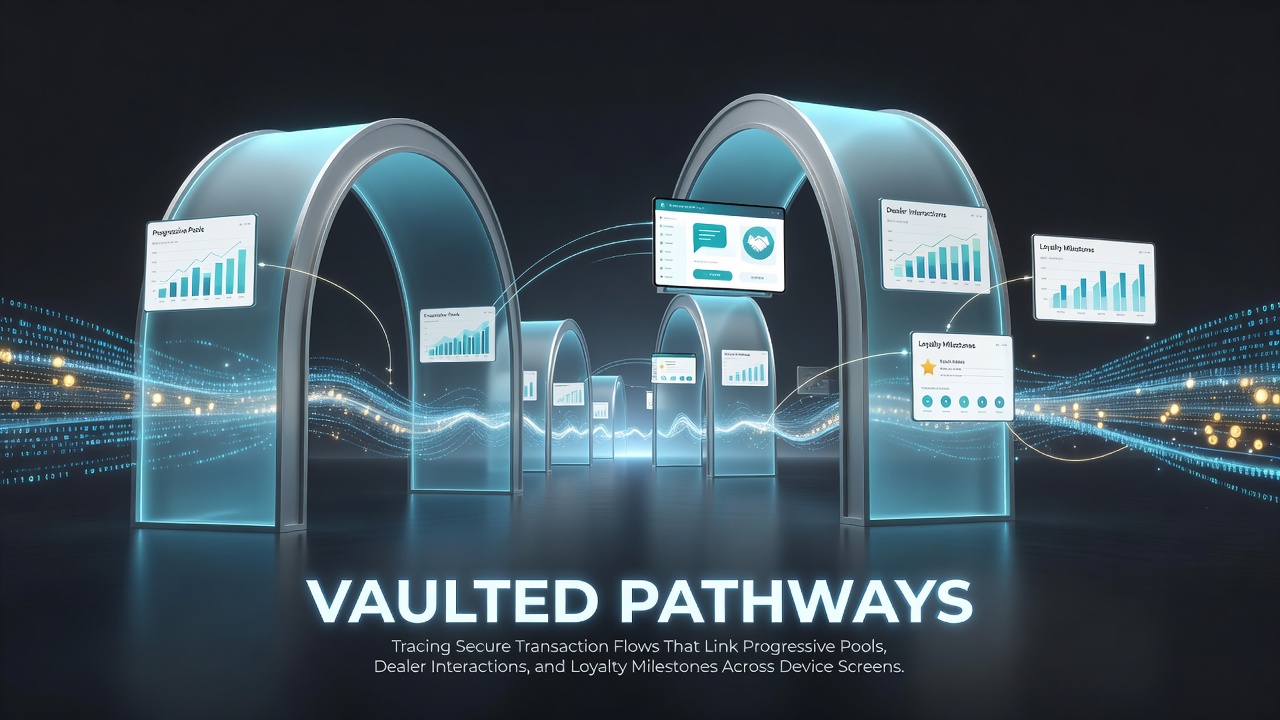
Vaulted Pathways: Tracing Secure Transaction Flows That Link Progressive Pools, Dealer Interactions, and Loyalty Milestones Across Device Screens
Secure transaction flows in digital gaming environments operate through layered encryption protocols and real-time verification systems that connect progressive jackpot pools with live dealer interfaces and loyalty tracking mechanisms on multiple device types, and these pathways rely on standardized APIs that route funds while maintaining audit trails at every step.
Core Components of Transaction Pathways
Progressive pools aggregate contributions from multiple game instances across networked platforms, and transaction data moves through encrypted channels that update pool values instantaneously while dealer interactions require separate authorization layers for real-time betting and payout processing; loyalty milestones trigger conditional bonuses once accumulated activity reaches predefined thresholds, and these elements integrate via centralized ledgers that log each action with timestamps and device identifiers.
Observers note that systems handling these flows typically employ tokenization to replace sensitive account details during transfers, which reduces exposure points during shifts between slot mechanics, table games, and cross-platform loyalty redemptions, and data from industry reports shows adoption rates of such token systems increased notably by mid-2025.
Integration Across Device Screens
Transactions initiated on mobile screens synchronize with desktop sessions through cloud-based session managers that preserve state information including current progressive contributions and loyalty points, while dealer interactions maintain continuity when users switch devices because backend servers validate each request against prior authentication tokens; this setup allows seamless progression toward loyalty milestones without resetting counters or pool shares.
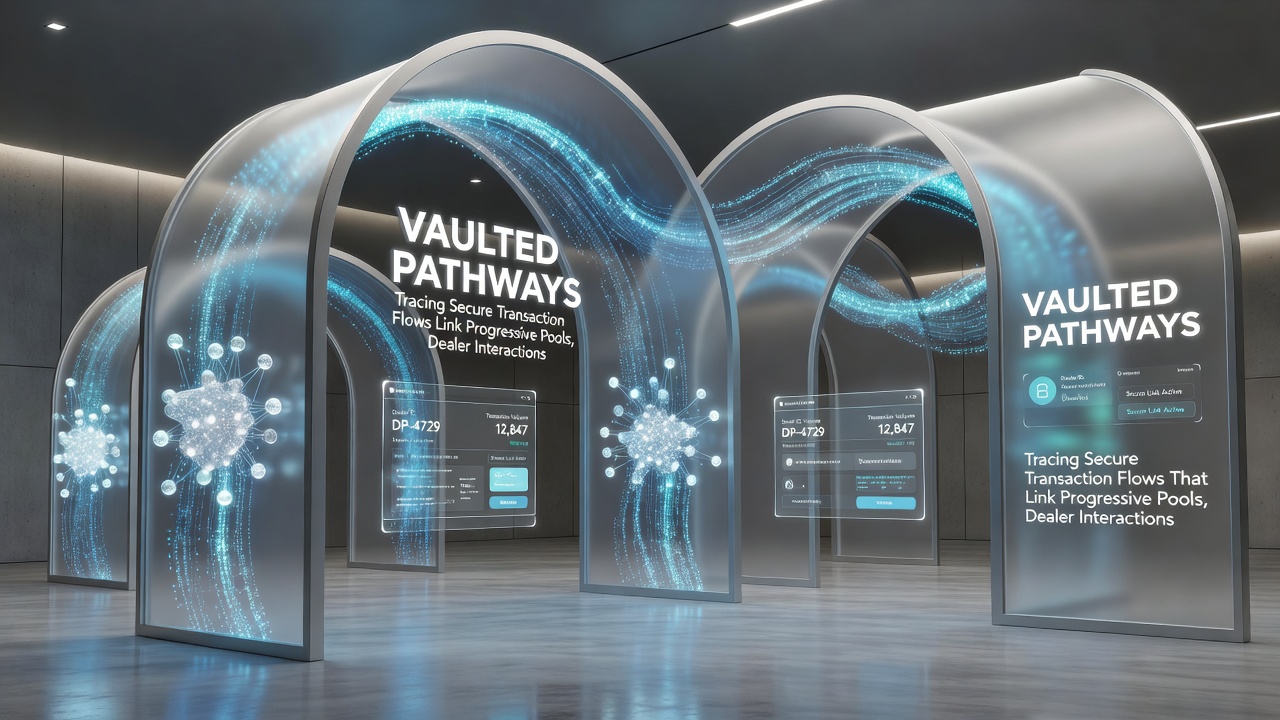
Researchers at several technical institutes documented how multi-device synchronization protocols handle peak loads during September 2026 updates to compliance frameworks, and those studies revealed that latency in pool updates dropped below 200 milliseconds in optimized environments when using edge computing nodes for verification.
Security Measures and Regulatory Alignment
Encryption standards such as TLS 1.3 combined with hardware security modules protect data in transit between progressive pool servers and dealer management systems, and loyalty milestone calculations occur on isolated modules to prevent tampering during cross-referencing with transaction histories; according to findings from the Nevada Gaming Control Board, operators must demonstrate independent audit capabilities for all linked flows by specified deadlines in 2026.
One case examined by analysts at a European research consortium highlighted how a platform implemented biometric confirmation on mobile endpoints to authorize larger transfers tied to loyalty rewards, and that approach aligned with broader requirements from the Malta Gaming Authority for enhanced identity checks during dealer session handoffs.
Flow Tracing in Practice
Tracing begins at the point of fund ingress where wallet services validate incoming payments before allocating portions to progressive pools or immediate dealer bets, and subsequent steps record each allocation against player loyalty profiles using immutable logs that support reconciliation across device types; when milestones activate, the system initiates outbound transfers that follow the same verified routes in reverse.
Industry organizations such as the International Gaming Standards Association have published technical specifications that detail message formats for these exchanges, and adoption of those formats supports interoperability between different operator networks while preserving the separation of progressive, dealer, and loyalty data streams.
Conclusion
Transaction pathways that link progressive pools, dealer interactions, and loyalty milestones rely on coordinated security layers and device-agnostic synchronization to maintain integrity across sessions, and ongoing refinements tied to September 2026 timelines continue to shape how these elements exchange data without compromising verification standards.