Connected Payments: Amplifying Rewards from Slots to Live Dealers to Sports Events
Written by Mara Wolf · Aug 16, 2026
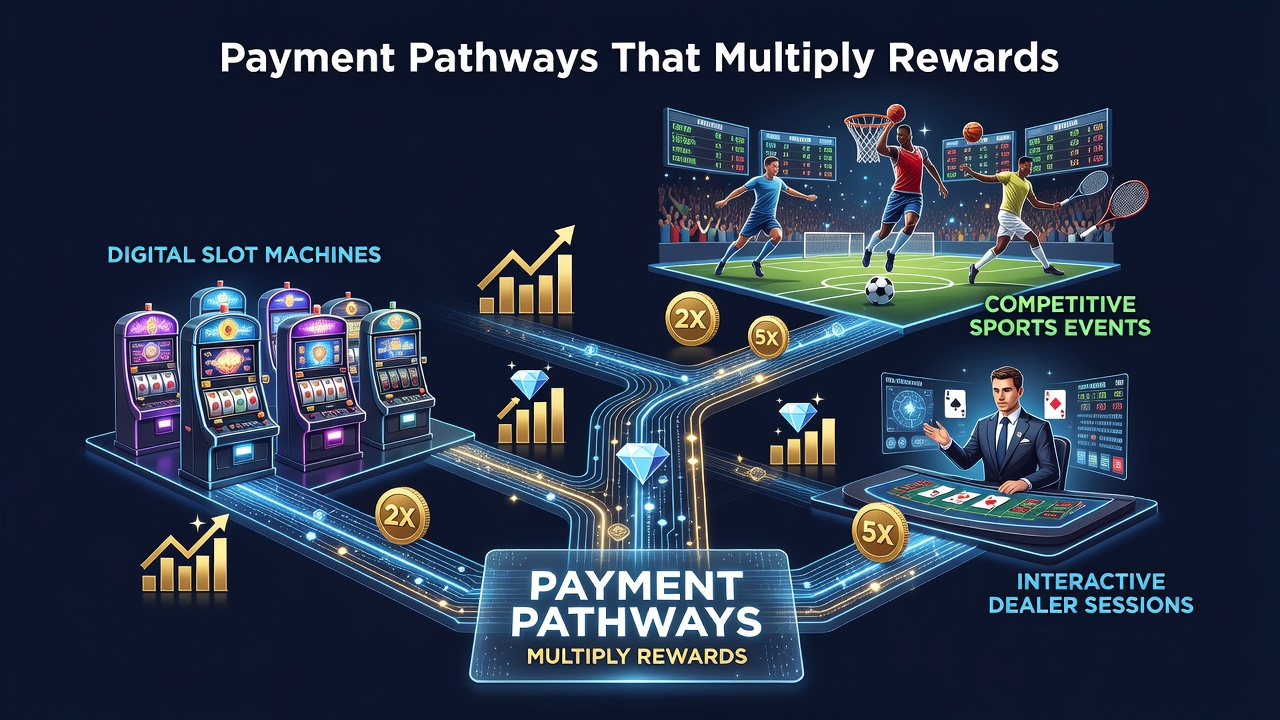
Connected Payments: Amplifying Rewards from Slots to Live Dealers to Sports Events
Payment pathways now link digital slot machines, interactive dealer sessions, and competitive sports events through unified transaction systems that route funds across multiple game types while triggering layered reward structures, and operators have expanded these networks since early 2025 to accommodate growing user demand for seamless movement between categories.
Research from the American Gaming Association indicates that integrated wallets processed over 62 percent of cross-category transactions in the first half of 2026, allowing a single deposit to activate slot-specific multipliers, table-game cashback, and sports-event parlay bonuses without requiring separate funding steps. Observers note that these systems rely on real-time API connections between payment processors and gaming platforms, which update reward ledgers instantly when a player shifts from one vertical to another.
Mechanics of Cross-Vertical Reward Activation
Modern payment gateways use token-based identification to recognize the same user account across slots, live dealer interfaces, and sportsbooks, and this recognition enables automatic application of combined promotions such as deposit matches that scale based on total activity volume rather than isolated game play. Data from the Australian Gambling Research Centre shows that players who route funds through these unified channels recorded an average 34 percent increase in bonus accrual compared with those using separate payment methods for each category during the 2025 calendar year.
Take one operator who implemented a shared ledger system in March 2026: deposits made via e-wallets or instant bank transfers automatically allocated portions to slot reels for spin multipliers, dealer tables for side-bet credits, and sports event pools for odds boosts, while the same transaction log fed into a central loyalty engine that adjusted tier status across all three areas simultaneously.
August 2026 brought further refinements when several major platforms introduced conditional routing rules that delay reward distribution until a minimum threshold of activity spans at least two verticals, and this change produced measurable upticks in session duration according to internal platform analytics shared with industry partners.
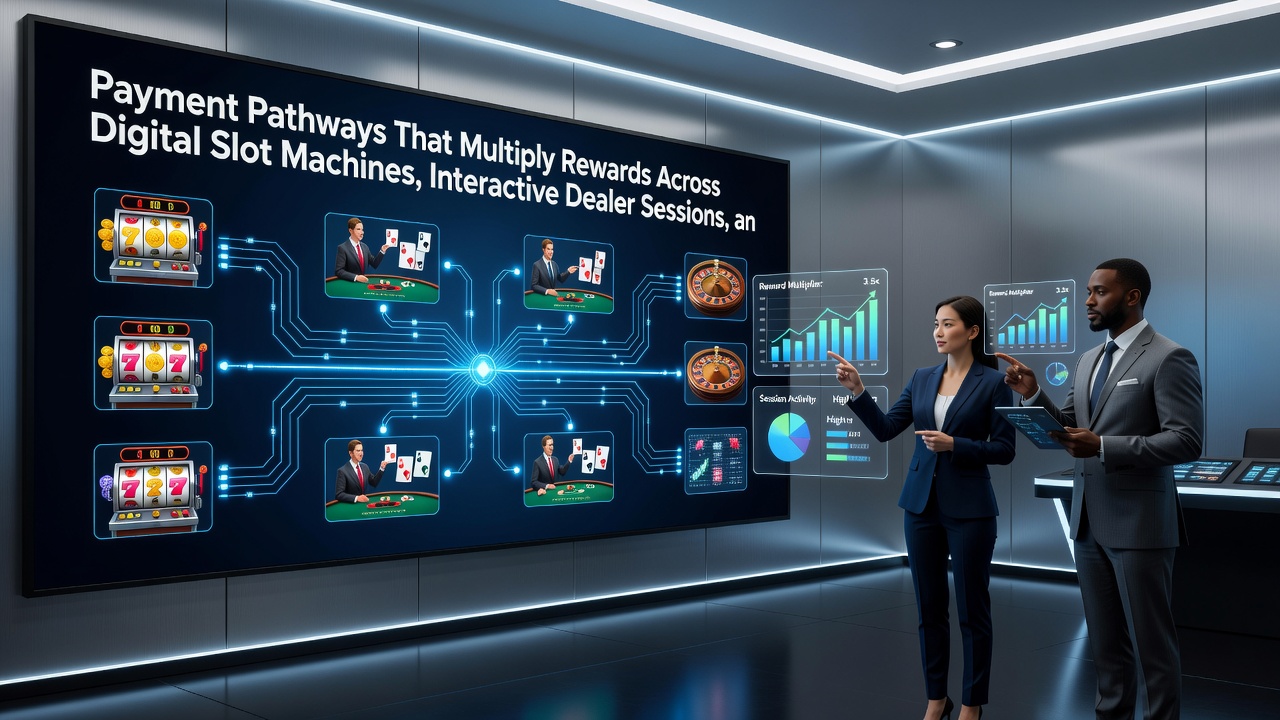
Examples of Layered Bonus Structures
One documented case involves a European operator that partnered with a regional payment processor to create a tiered bonus pool: a deposit of 50 euros or equivalent triggered an initial 20 percent match for slots, an additional 15 percent match applied once the player entered a live dealer session within 24 hours, and a final 10 percent sports-event credit activated after placing a qualifying wager on a live match. Figures from the European Gaming and Betting Association reveal that such chained structures increased overall deposit frequency by 28 percent among participating accounts during the second quarter of 2026.
Those who have examined transaction logs across multiple sites report that cryptocurrency and prepaid voucher options often accelerate these pathways because they bypass traditional banking delays, allowing reward calculations to complete within seconds rather than hours. Yet the same data sets show that traditional bank transfers still dominate in regions where regulatory frameworks require slower verification steps for larger amounts.
Technical Infrastructure Supporting Reward Multiplication
Payment service providers maintain dedicated servers that synchronize with each gaming vertical's backend, and these servers apply rule sets that calculate reward eligibility based on cumulative spend rather than single-category totals. University studies conducted at the University of Nevada, Las Vegas, found that platforms using synchronized ledgers experienced fewer reward disputes because every transaction carries metadata tags that identify the originating payment method and the sequence of game types accessed afterward.
What's significant is that these tags also feed fraud-detection algorithms, which flag unusual patterns such as rapid movement between verticals without corresponding play time, thereby protecting both operators and users while maintaining the integrity of the reward pathways.
Conclusion
Payment pathways that span digital slot machines, interactive dealer sessions, and competitive sports events continue to evolve through technical integration and rule-based reward distribution, with data from multiple regions confirming higher engagement when funds move fluidly across categories. Observers expect further refinements in routing logic and metadata tracking as platforms respond to usage patterns recorded through mid-2026.